The First 30 Seconds of an ESAT Question
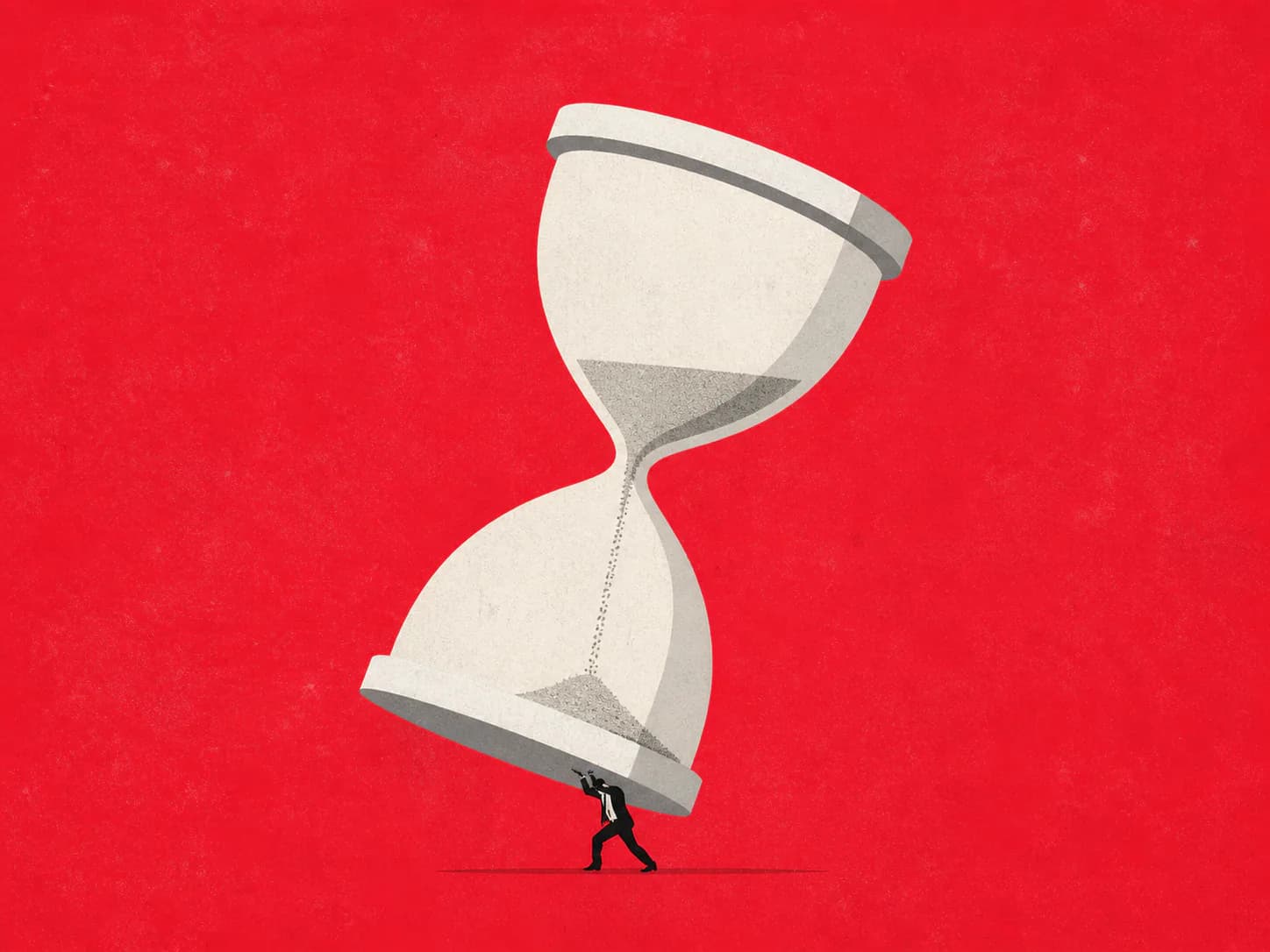
Time on the ESAT doesn't disappear all at once. It goes question by question, thirty seconds at a time, in decisions that feel small until they aren't. The students who run out of time in the final stretch rarely lost it there. They lost it earlier, spread across questions they stayed on too long without realising it.
Where Time Actually Goes
During beta testing, we tracked where students spent their time across hundreds of mock sittings. The finding that surprised us most wasn't where students struggled with hard questions. It was how long they stayed on questions they eventually got wrong anyway.
On questions rated as medium difficulty, students who answered incorrectly spent an average of 40% longer than students who answered correctly. They weren't spending that time well. They were spending it circling an approach that wasn't working, unable to commit to abandoning it.
This is what hesitation looks like in practice. Not paralysis. Not a blank mind. A mind that's moving, but moving in the wrong direction, and moving there for too long.
The Most Dangerous Questions
The hardest questions to manage on the ESAT are not the ones that look hard.
A question that looks hard is easy to triage. You read it, you don't see a route in, you move on and come back. The decision is quick because the question made it for you.
The dangerous questions are the ones that look approachable. There's a setup you recognise. A method that seems to apply. You start moving down that path and make some progress, and now you're two minutes in with a partial answer and a growing reluctance to let it go. In Korean there's a word for this — 미련 — the attachment to something you should have already walked away from. That feeling, on an exam, is expensive.
These questions are hard to abandon precisely because they seemed solvable. You don't feel stuck. You feel almost there. And almost there, when you're not actually getting there, is the worst place to be.
What the First 30 Seconds Should Do
The first thirty seconds of any question should answer one thing: am I going to solve this now, or later?
That's the only decision that matters at the start. Not the method. Not the answer. Just: is this a now question or a later question?
A now question has a visible route within thirty seconds of reading. You know what tool applies, you know roughly where it leads, and the only thing left is execution. Start immediately.
A later question doesn't have that. Something is unclear, or the route isn't obvious, or there's a setup you need more time to process. Mark it and move.
The discipline is in the moving. Thirty seconds of genuine assessment, then a clean decision. Not thirty seconds followed by another thirty, followed by another, while you hope the route appears.
Banking Time on the Early Questions
The questions at the start of the ESAT are not easy. But they are, on average, more accessible than what comes later. The students who do well treat them as time to bank, not just marks to collect.
Solving questions one through five quickly doesn't just mean you have more time at the end. It changes how you sit the rest of the exam. You're ahead of pace. You can afford to think on the harder questions. You have time left at the end to go back and check the ones you weren't certain about. The exam feels different when you're not in deficit.
The students who spend four minutes on question two because it seemed solvable arrive at question sixteen already behind. Every subsequent decision gets made under more pressure than it should be.
A Decision Tree Worth Running
When you read a question, run this in order:
Do I understand what's being asked? If not, re-read the setup once. If it's still unclear, mark it and move. Ambiguity that doesn't resolve on a second read won't resolve on a fifth.
Do I have a method? A specific one, not a vague sense of the topic area. If yes, start. If not, mark it and move.
Am I making progress? Ninety seconds in, check. If you're moving toward an answer, keep going. If you're going in circles, mark it and move.
The hardest part of this isn't knowing the decision tree. It's following it when a question feels almost solved. That feeling is not a reason to stay. It's exactly the moment the tree is designed for.
Hesitation Compounds
One two-minute overstay feels harmless. Two feels manageable. By the time you've done it four or five times, you're in the last third of the paper with a fraction of the time you needed, and the questions you skipped are still waiting.
This is why the ESAT is a time exam. Not because the questions are fast to solve, but because the cost of poor time decisions accumulates silently and becomes visible only when it's too late to fix.
The first thirty seconds of each question is where that cost either gets paid or avoided. Everything else follows from that.